India’s diversity is beautifully reflected in its sarees. Every state adds its own touch — from fabric and weaving to draping style — creating a unique identity. At Sohitha Fashions, KPHB Hyderabad, we celebrate this cultural richness through our wide range of sarees that honor every region’s tradition.
Here’s a guide to the most popular saree draping styles from across India, each with its own story and elegance.
1. Andhra Pradesh – Nivi Style
Originating from Andhra Pradesh, the Nivi drape is the most recognized saree style in India. It involves tucking pleats at the waist and letting the pallu fall gracefully over the shoulder. It’s elegant, easy to wear, and perfect for daily or festive occasions.
(At Sohitha Fashions, our silk and cotton sarees drape beautifully in this classic Nivi style.)
2. Tamil Nadu – Madisar Style
The Madisar saree is traditionally worn by Tamil Brahmin women. It uses a nine-yard saree and a unique wrap resembling both a saree and a dhoti. Though complex, it symbolizes purity and tradition.
3. Maharashtra – Nauvari Style
The Nauvari saree, meaning “nine yards,” allows free movement — ideal for traditional dances and ceremonies. It’s draped like pants at the legs and pleated at the front, representing confidence and strength.
4. West Bengal – Atpoure Style
This iconic Bengali style features a wide pallu draped over both shoulders and often paired with a red-bordered white saree. It exudes cultural pride and sophistication.
(Visit Sohitha Fashions, KPHB Hyderabad, to explore elegant Bengal cotton sarees perfect for this drape.)
5. Gujarat – Seedha Pallu
In Gujarat, the saree is worn with the pallu draped from the back to the front over the right shoulder — showing off intricate designs and embroidery. This style is ideal for festive sarees with decorative pallus.
6. Kerala – Mundum Neriyathum
The Kerala Kasavu saree with its cream and gold border is known for simplicity and grace. Draped in a two-piece style, it represents purity and is perfect for Onam and temple visits.
7. Odisha – Khandua Drape
Odisha’s traditional drape involves pleating at the front and wrapping the pallu twice around the body. The Khandua silk saree, often in red and orange, is worn during festivals and rituals.
8. Assam – Mekhela Chador
Assamese women wear the Mekhela Chador, a two-piece ensemble wrapped elegantly. It’s lightweight, comfortable, and showcases intricate local weaving — a true reflection of the North-East’s beauty.
9. Karnataka – Coorgi Style
In this drape, pleats are created at the back, and the pallu comes from behind and over the shoulder. This style offers comfort and mobility while maintaining a neat, traditional appearance.
10. Uttar Pradesh – Lehenga Style
A fusion of saree and lehenga, this drape involves tucking pleats around the waist like a skirt, giving the saree a royal and modern look. Perfect for weddings and receptions.
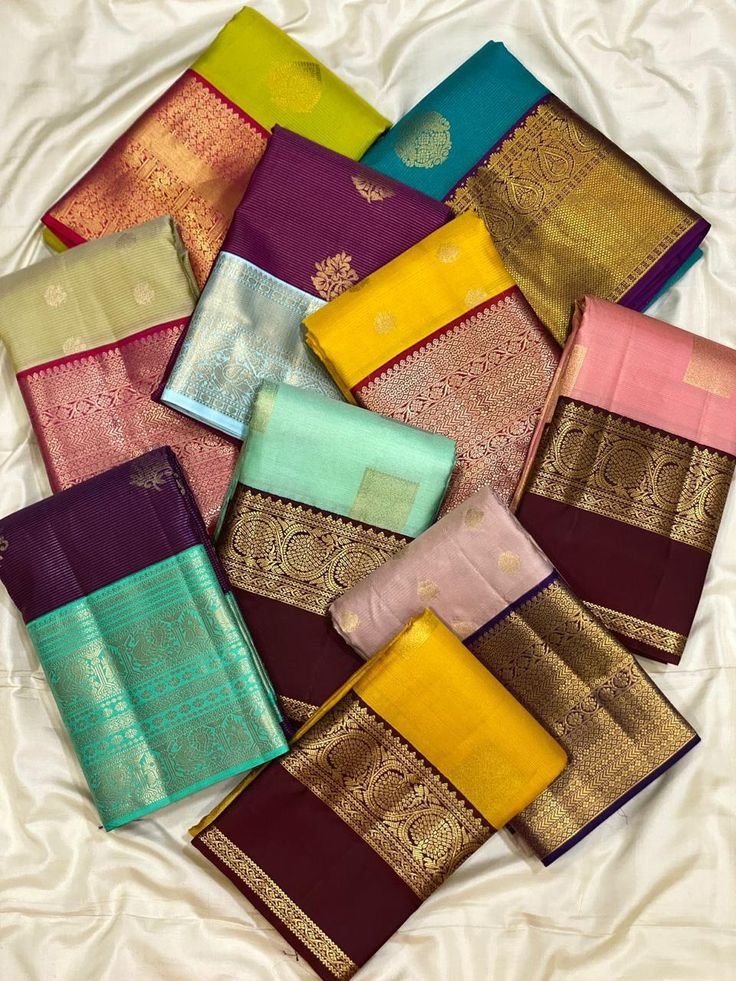
Embracing Diversity at Sohitha Fashions
At Sohitha Fashions, KPHB Hyderabad, we curate sarees from across India — from Banarasi silks to Kanjivarams, Kota cottons, and handloom weaves. Each saree reflects regional craftsmanship and is ideal for experimenting with draping styles.
Our fashion experts can help you recreate any state’s traditional look while keeping it comfortable and elegant.
Conclusion
Every saree drape tells a story — of heritage, artistry, and identity. Whether it’s the simplicity of Kerala’s Kasavu or the sophistication of Bengal’s Atpoure style, the beauty of India lies in this diversity.
Discover your favorite drape and explore a wide range of regional sarees at Sohitha Fashions in KPHB, Hyderabad, where tradition meets timeless fashion.